Pluto
true power is alchemy of the Self
Keywords: death and rebirth, transformation, catharsis, survival, power, control, cleansing, purging, elimination, evolution, sexuality, darkness, allure, the underworld, determination, charisma, magnetism, faith, depths, wealth, crime, illegality, taxes
sign rulership: scorpio
mythological correspondence: hades, god of the underworld
Primal Power
Pluto’s sheer potency embodies the cycle of decay, death and re-birth which underlies the natural world and the basic functioning of the universe. It symbolises our impulse to transform, transcend and regenerate, which can manifests as extreme states of mind and emotion, the desire for power and the lure of illicit experience. While darkness and destruction are often associated with Pluto, it is essentially a healing and cleansing energy, and a bringer of sacredness and light if integrated properly — without change, we could not know awe. Pain can be a potent teacher, but if we only see fear, death, power-obsession and danger in Pluto, this is what we get. If we see beauty, wonder, light and spiritual transformation, this is also what we get!
Psychology and Initiation
Magnetic and impenetrably shrouded in mystery, Pluto is the passionate transformer, the transcendent healer, the extreme fanatic, the ruthless tyrant. Associated with obsession and mystery, this planetary archetype is fundamentally secretive. It lures us towards the unknown, reminding us that still waters are deep, and that brooding depths and inscrutable appearance can conceal corrupt intentions. Ancestral patterns and deep-seated themes, rites of passage and initiation all belong to the realm of this powerful god, who offers us both the path of power and powerlessness — next to serenity of faith. Today, Pluto is intricately tied to Jungian depth psychology and the concept of shadow work — read more about its association with the invisible realm of the subconscious in The Discovery of Pluto.
Charisma and Truth
Pluto encapsulates the frightening consequences of ego and personal will when these are divorced from compassion. If we are bewitched by its promise of power and caught in a web by its magnetic charisma, we gravitate towards extremes and the ruthless implementation of ideals, behaving in ways that we never otherwise would and might even consider monstrous later once the spell is broken. Yet if we channel its energy wisely, Pluto will cleanse us of all the superficial fluff and teach us to practise profound acceptance of our own darkness. Shedding our skin like a snake, we are reminded that nothing matters more than adhering to our own agenda with intense passion, however incomprehensible this may be to others, and emerge embodying our own authentic truth.
Pluto in the Birth Chart
Pluto’s sign and house placement in a birth chart reveals how we access the doorway to life-changing transitions in our personal journey. We must accept that certain life forces are beyond our comprehension — and that there are times when we must stretch ourselves to experience that which lies beyond what we thought we could endure. Yet Pluto’s ultimate gift is that we can ultimately look back on trauma with acceptance, and even gratitude, if it proves to be the pathway that can lead us to greater awareness of the treasure within. Aspects to Pluto reveal further insights into how this initiation is experienced and how we own our own power. If you need deeper insights into how your Pluto placement operates, how to optimise shadow work and encourage the integration of difficult themes, please book a birth chart reading here.
Positive expressions of Pluto include passion, power, healing, primal instincts, cleansing, change, regeneration, shamanism, wisdom derived from difficulty, seduction, intensity, deep commitment, cathartic relation, and wonder. Negative expressions of Pluto include hurtful rawness, darkness, ruthlessness, powerlessness, abuse, destruction, denial, obsession, possession, paranoia, pain, secrets, violence, control, rapaciousness, greediness, fear, and terror.
Pluto’s Mythological Meaning
As the ‘Lord of the Underworld’ or the ‘Prince of Darkness', Pluto (also known as Hades) broods over the obscure kingdom of the Dead. This is a place beyond the sunset and beneath the Earth, anchored by rivers and caves, rich in treasures and mines, and guarded by the fearsome three-headed dog Cerberus. The name ‘Pluto’, derived from the Greek word plouton — meaning ‘the rich’ — was mostly spoken in the form of epithets due to the belief that even speaking his name aloud could anger this powerful god. He rarely leaves his kingdom, yet manages to make headlines when he falls in love with and abducts Persephone: splitting open the earth beneath the young girl, he hurls her into his kingdom and forces her to become his wife. This has unforeseen consequences, affecting the seasons around the world, and can be seen as a symbolic representation of of the cycle of death and rebirth. Read more about Persephone and The Mythology of Pluto here.
The Meaning of Pluto’s Symbol
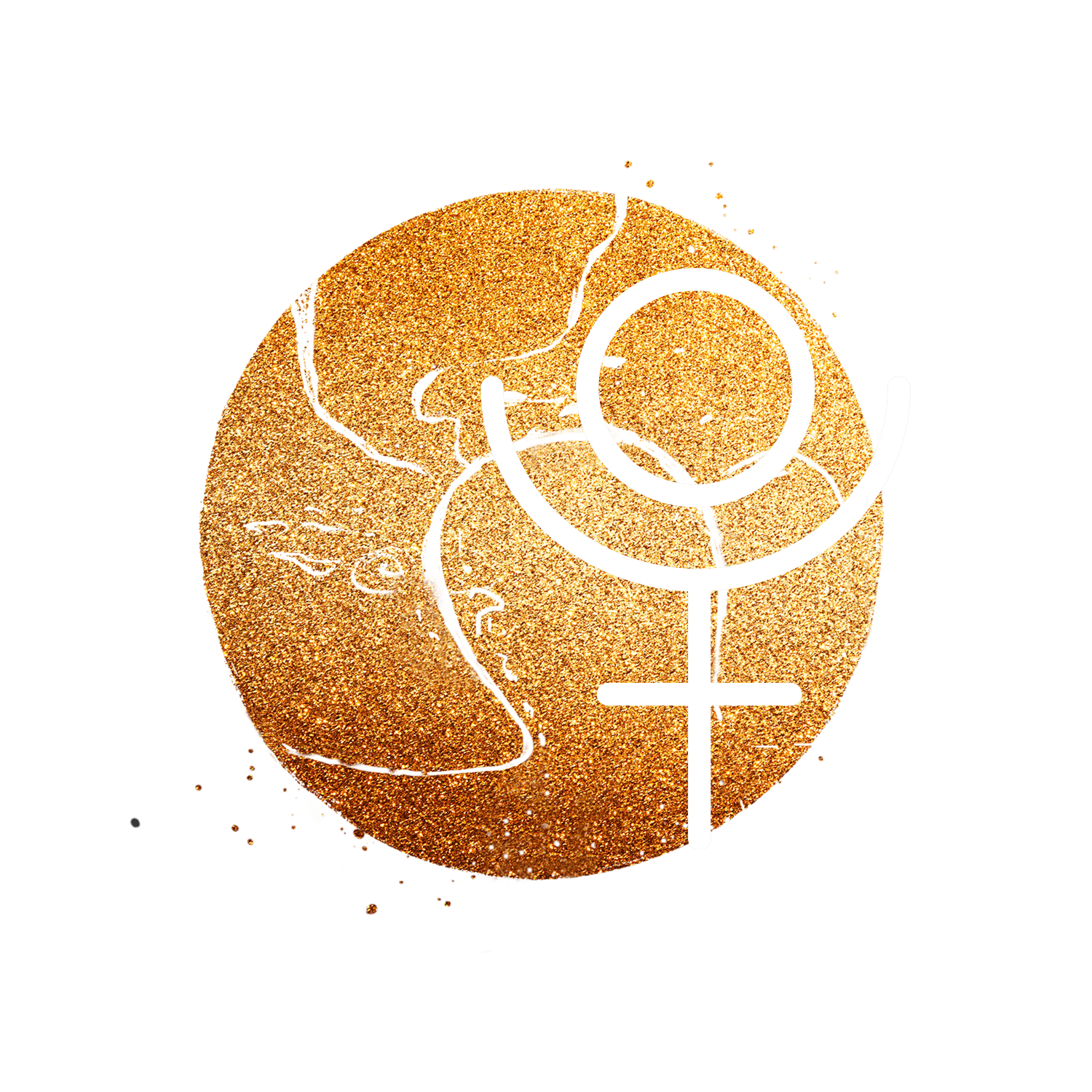
Two glyphs are commonly used for Pluto. The first glyph is a monogram of the letters P and L to eternalise the initials of the planet’s discoverer, Percival Lowell. The second glyph, pictured above, resembles a two-pronged pitchfork with a floating circle hanging between its two prongs. This complex shape is reminiscent of the alchemist’s crucible, in which substances brew to be transformed into magic, and where lead is transformed into gold. Here, heat intensifies to unbearable extents, purging all that is unnecessary to create the bare skeleton of something new. The disconnected, suspended circle also implies the concentration of power, kept in check by a magical wand without the need for physical restraint — only power of spirit.
If you would like deeper insights into your birthchart, please book a reading here.
Learn More